

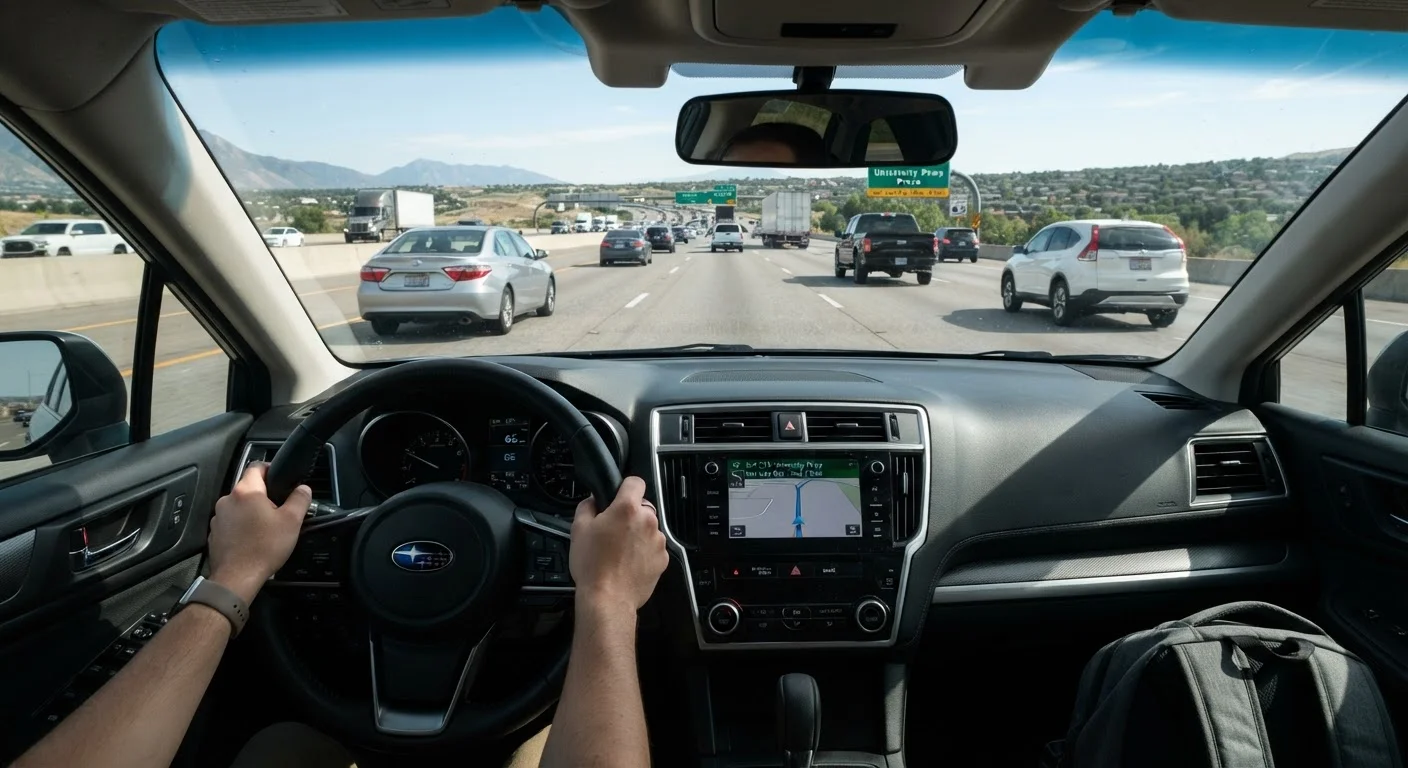
Key Takeaways
Defensive Driving
Defensive driving is a set of skills and habits that help you anticipate hazards, account for the mistakes of other drivers, and respond to road conditions before problems develop. It goes well beyond following traffic laws - it's about staying one step ahead of everything around you. The goal is to reduce risk through awareness, preparation, and sound decision-making rather than reacting after something goes wrong.
Defensive driving techniques are codified by organizations such as the National Safety Council (NSC) and are taught in state-approved courses that can sometimes reduce insurance premiums or points on a driving record, depending on state regulations.
Beyond the Rules: What Defensive Driving Really Means
Most drivers think of safe driving as following the speed limit and stopping at red lights. Defensive driving encompasses all of that - but it starts with a fundamentally different mindset. Instead of reacting to what's happening right now, defensive drivers are continuously asking: what could go wrong next, and what will I do about it?
This anticipatory approach is what separates a defensive driver from someone who simply obeys traffic laws. Laws tell you what you must do; defensive driving teaches you what you should think. The two work together, but one can't substitute for the other. A driver who follows every rule but never scans beyond the car ahead is still vulnerable to the unpredictable behavior of other road users.
For a deeper look at how this mindset shifts across different environments, see our complete guide to safe driving in America.
Practice the 'What If' Habit
As you drive, periodically ask yourself: 'What would I do if the car ahead stopped suddenly right now?' or 'What's my exit if that driver merges into my lane?' Running these low-stakes mental simulations keeps you actively engaged and improves your actual reaction quality when real hazards appear.
The Core Techniques That Define Defensive Driving
Defensive driving is built on a handful of consistent, learnable habits:
- Scanning ahead continuously. Rather than watching only the vehicle directly in front of you, experienced defensive drivers monitor traffic 12-15 seconds ahead - roughly a city block in town or a quarter-mile at highway speed. This window of time is what allows you to slow, change lanes, or stop before a situation becomes a crisis.
- Managing space around your vehicle. Keeping adequate following distance in front - and being aware of what's to your sides and behind - gives you an escape route if something goes wrong. Following distance is more situational than most drivers realize, and defensive drivers adjust it constantly.
- Anticipating others' errors. Assume that some drivers around you may be distracted, impaired, or simply mistaken. Defensive driving means building a buffer against their mistakes, not just your own.
- Adjusting to conditions. Speed limits reflect optimal conditions. Rain, fog, heavy traffic, and poor lighting all demand that you recalibrate. Wet and low-visibility conditions change your vehicle's behavior in ways many drivers underestimate.
~94%
Crashes involving human error
The National Highway Traffic Safety Administration (NHTSA) has attributed approximately 94% of serious crashes to human choice or error, underscoring why driver behavior - not just road design - is central to safety.
3 sec+
Minimum recommended following distance
Traffic safety guidelines commonly recommend at least a three-second gap under ideal conditions, with greater distance advised in rain, fog, or at higher speeds.
12-15 sec
Recommended visual scanning distance ahead
Defensive driving programs teach drivers to look 12-15 seconds ahead - giving enough reaction time to respond to developing hazards before they become emergencies.
The Role of Mindset and Emotional State
Technique only goes so far if your mental state works against you. Fatigue, frustration, and distraction are three of the most common contributors to crashes - and all three are within the driver's control to some degree.
Aggressive driving and road rage are recognized risk factors that defensive drivers actively work to avoid - both in themselves and in how they respond to others. Understanding the difference between road rage and aggressive driving matters both for your safety and your legal exposure.
A defensive driver also recognizes when they shouldn't be driving. Fatigue impairs reaction time in ways that closely parallel alcohol impairment. Building the habit of honest self-assessment before every drive is, itself, a core defensive skill.
“The goal of defensive driving is not to compensate for your own shortcomings - it's to build a margin of safety against everyone else's. The road is a shared environment, and treating it that way is what keeps you out of trouble.”
— National Safety Council, U.S. nonprofit organization focused on eliminating preventable deaths, including traffic fatalities
Applying Defensive Driving Across Different Road Types
Defensive habits don't change based on where you're driving - but their specific application does. Urban intersections demand attention to pedestrians, cyclists, turning vehicles, and unpredictable stop-and-go patterns. Highways require sustained alertness, proper merging technique, and maintaining safe gaps at speeds where reactions must be near-instant.
Highway and city driving demand genuinely different instincts - and understanding those differences makes you a more adaptable, complete driver. For those new to high-speed driving, knowing what to expect before your first highway trip can significantly reduce the anxiety and errors that come with unfamiliar environments.
In every context, the underlying principle is the same: manage your space, read the environment ahead, and stay mentally engaged with the task of driving rather than treating it as background activity.