

Key Takeaways
Our Verdict
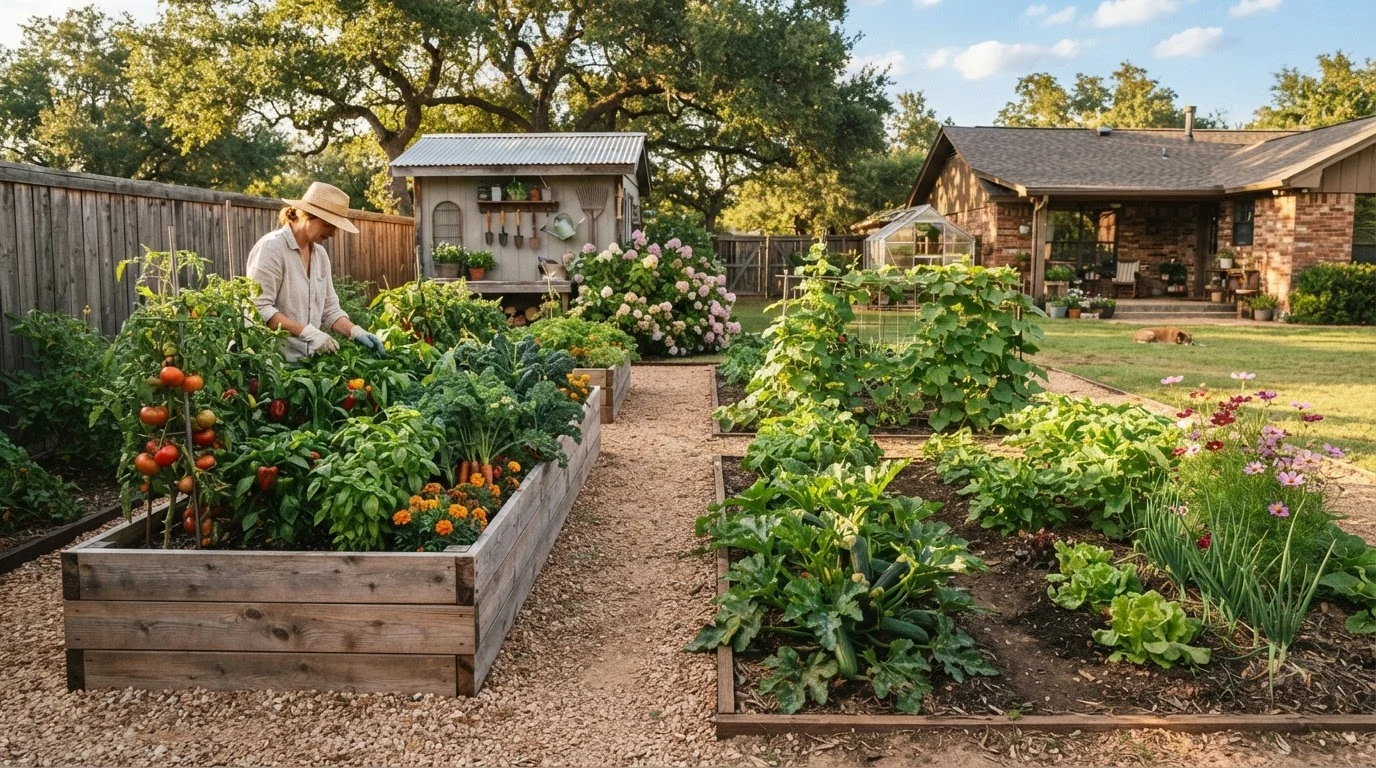
Raised beds deliver the most control over growing conditions and tend to outperform in-ground plots where native soil is poor, drainage is problematic, or physical accessibility matters. In-ground planting remains a sound, lower-cost approach for gardeners with good existing soil and the willingness to invest time in soil improvement. Neither method guarantees results - consistent care is what actually drives garden success.
| Best for | Recommended |
|---|---|
| Gardeners with compacted, clay-heavy, or contaminated native soil | Raised Beds |
| Those working within strict time or cost constraints | In-Ground Planting |
| Gardeners with mobility limitations or back problems | Raised Beds |
| Large-scale food production or established garden spaces with healthy soil | In-Ground Planting |
The Core Trade-Off: Control vs. Cost
The central difference between raised beds and in-ground planting comes down to how much control you want over your growing environment - and how much you're willing to spend to get it. Raised beds let you bypass whatever soil your yard came with and build an ideal growing medium from scratch. In-ground planting asks you to work with what's there, improving it incrementally over time.
For gardeners dealing with heavy clay, compacted ground, or soil with a history of contamination (old fill, lead paint residue near foundations), raised beds aren't just a convenience - they can be the only practical path to a productive food garden. For gardeners lucky enough to have decent loamy, well-draining soil, in-ground planting is a completely reasonable starting point, especially if expanding across a larger footprint. If you're just getting started, our guide to starting a vegetable garden from scratch walks through site selection and soil preparation in detail.
| Raised Beds | In-Ground Planting | |
|---|---|---|
| Upfront Cost | Higher (materials, fill soil) | Lower (minimal materials needed) |
| Soil Control | Full control over soil mix | Limited by existing native soil |
| Drainage | Excellent; drains freely | Varies by site and soil type |
| Weed Pressure | Reduced but not eliminated | Generally higher |
| Season Length | Soil warms earlier in spring | Slower to warm in spring |
| Physical Accessibility | Easier; less bending required | Requires kneeling or bending |
| Scalability | Limited by bed size and cost | Easily expanded |
| Long-term Soil Building | Requires ongoing amendment | Improves with compost over time |
Drainage, Soil Temperature, and Season Length
Drainage is where raised beds consistently outshine in-ground plots. Because raised bed soil sits above grade and is not compacted by foot traffic, water moves through it more freely. Soggy roots are a leading cause of plant loss, and raised beds significantly reduce that risk - though they can also dry out faster in hot, dry spells, requiring more attentive watering.
Raised beds also warm up faster in spring. Soil in a raised structure absorbs heat from all sides, not just the surface, which can extend your effective growing season by a week or two at both ends - meaningful if you're in a shorter-season climate. In-ground soil stays cooler longer, which can actually benefit cool-season crops like spinach and lettuce that bolt quickly in warm conditions.
Test Your Native Soil First
Before committing to either method, have your native soil tested for pH, texture, and nutrient levels. Many county cooperative extension offices offer affordable testing. The results will tell you whether improving your in-ground soil is realistic or whether starting fresh with raised bed mix makes more sense. See our guide on soil pH and plant health for more detail.
Weed and Pest Management: Reduced, Not Eliminated
A common misconception is that raised beds are weed-free. They're not - seeds blow in from surrounding areas constantly. What raised beds do offer is a head start: because you're filling them with purchased or blended soil rather than digging up weed-seed-laden ground, the initial weed load is lower. Pairing either method with a good mulching practice is one of the most effective ways to suppress weeds and retain soil moisture long-term.
Pest management works differently in each system. Raised beds make it easier to install row cover, hardware cloth on the bottom (to deter burrowing animals), and physical barriers. Soil-borne pests and pathogens can still take hold, however - a raised bed is not immune to fungal disease or nematode pressure. In-ground gardens, particularly large ones, can be harder to protect with physical barriers but benefit from crop rotation across a wider area, which helps break pest and disease cycles naturally.
Long-Term Soil Health: Different Paths, Same Destination
Here's what doesn't change between raised beds and in-ground planting: both require ongoing soil investment to stay productive. Raised bed soil compresses and loses organic matter over time - you'll need to top it off with compost annually to maintain texture and fertility. In-ground gardens similarly benefit from regular compost additions; the difference is that native soil can develop deeper structure over years if managed consistently. Our article on composting at home is a practical resource for building that amendment supply yourself.
Raised beds do require you to monitor moisture more closely, since they drain faster and have a smaller total soil volume acting as a buffer. Drip irrigation is particularly well-suited to raised beds - worth exploring if you're setting up a new system. See our comparison of drip irrigation vs. sprinkler systems to think through your watering approach. And regardless of which growing method you use, fall garden prep - amending soil, cleaning up debris, protecting beds before frost - pays dividends every spring.