

Key Takeaways
Why a Pre-Purchase Inspection Matters
A test drive tells you how a car feels. A pre-purchase inspection (PPI) tells you what's actually going on underneath. Even a vehicle that drives smoothly can be hiding coolant leaks, corroded brake lines, a history of flood damage, or deferred maintenance that will cost you within months of purchase. According to general industry estimates, used vehicles can carry thousands of dollars in undisclosed repair needs - problems a seller may be unaware of or deliberately not volunteering.
A PPI is simply the practice of having an independent, qualified mechanic examine a used vehicle before you agree to buy it. It is standard practice, not an insult to the seller, and any legitimate transaction should accommodate one. The modest cost - generally $100 to $200 - is modest protection against a much larger financial mistake.
This practice applies whether you're buying from a private seller, a franchise dealership, or an independent lot. Even certified pre-owned vehicles, which come with manufacturer-backed inspections, can benefit from independent review. Understanding what a multi-point inspection actually covers helps you ask better questions when reviewing your report.
Vehicle History Report
Reveals prior accidents, title status, odometer readings, and service records before the inspection takes place.
Independent Mechanic or Repair Shop
Performs the physical inspection of the vehicle's mechanical, electrical, and structural systems.
OBD-II Scanner
Reads stored and pending diagnostic trouble codes from the vehicle's onboard computer; some mechanics include this automatically.
Written Inspection Report
Documents all findings from the mechanic so you have a record to reference during negotiation or decision-making.
How to Arrange and Use a Pre-Purchase Inspection
The process is straightforward, but a few key decisions - particularly which mechanic you choose and how you handle the seller - determine how much value you actually get from it. Follow the steps below to protect yourself before committing to a purchase. For a broader look at the mistakes that trip up new buyers, see our guide on common first-time buyer pitfalls.
What you will need
Pull a Vehicle History Report First
Before scheduling any inspection, obtain a vehicle history report using the car's VIN. This document can surface title issues (salvage, rebuilt, flood), major reported accidents, odometer discrepancies, and the number of previous owners. A history report won't catch everything - it only reflects events that were reported - but it helps you decide whether the car is even worth paying to inspect. If the report raises serious concerns, you may be able to decline before spending money on a mechanic.
Find an Independent Mechanic
Choose a mechanic who has no connection to the seller. An independent shop, a dealership's service department for a different brand, or an ASE-certified technician are all reasonable options. If you don't have a trusted mechanic, ask friends or family for referrals, or check whether a local auto club offers inspection referrals. Confirm in advance that the shop performs pre-purchase inspections and ask what the inspection covers - ideally it should include the engine, transmission, brakes, suspension, exhaust, fluid condition, body and frame, electrical systems, and an OBD-II scan for diagnostic codes.
Get the Seller's Agreement
Contact the seller and clearly state that you want to have the vehicle inspected by an independent mechanic before you commit. For private sellers, confirm this in writing - a text or email exchange works fine. For dealerships, get written confirmation that they will hold the vehicle during the inspection window. Agree on a reasonable timeframe: most inspections are completed within a business day. A seller who resists, rushes you, or attaches conditions to the inspection warrants serious caution.
Arrange Transportation to the Shop
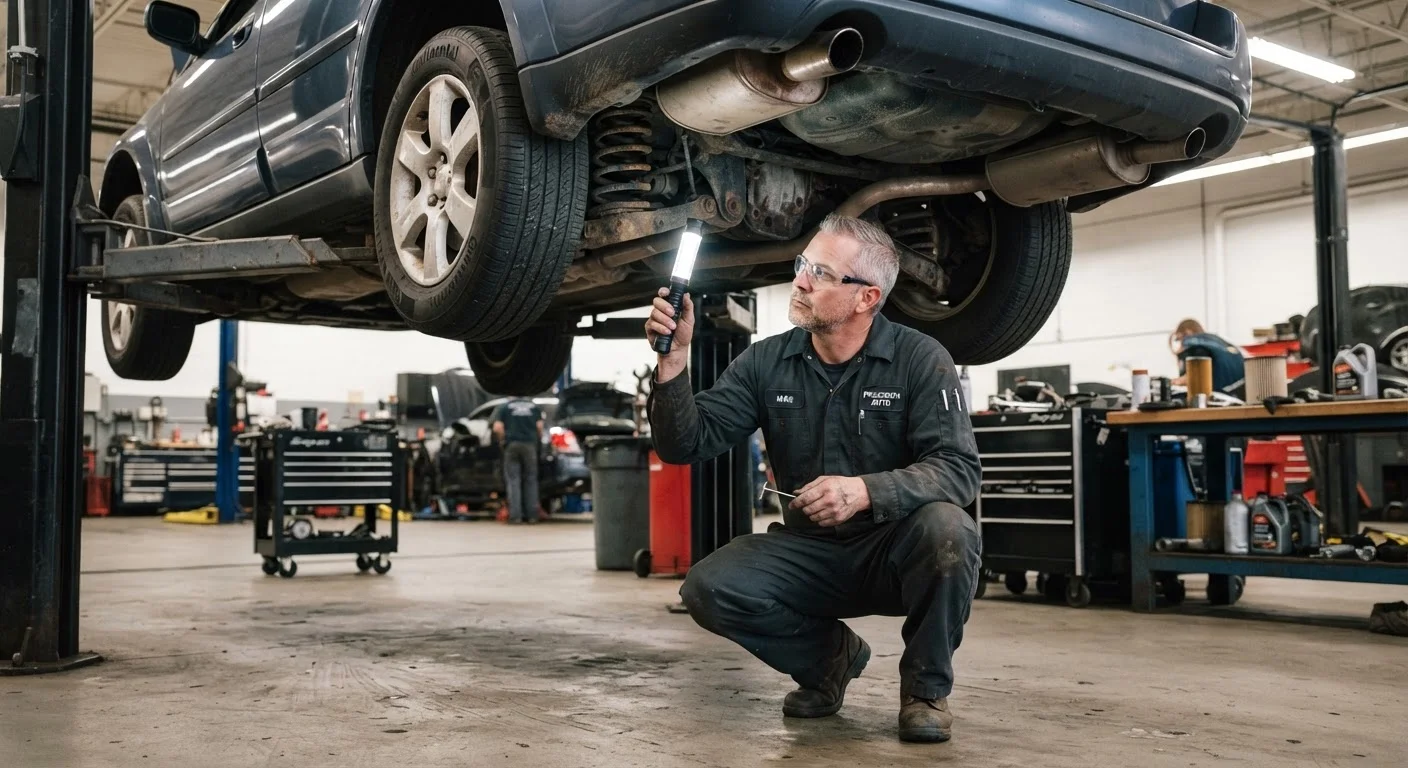
The vehicle needs to get to the mechanic's shop. In most cases, you or the seller drives it there. If the seller is unwilling to bring the car to your chosen shop, you may be able to hire a mobile inspection service that comes to the vehicle's location - though these services typically conduct a visual inspection only and cannot put the car on a lift. A full lift inspection is strongly preferred because it allows the mechanic to examine the undercarriage, exhaust, and suspension joints that are invisible from above.
Review the Written Report
After the inspection, obtain a written report detailing every finding. Review it in three categories: safety-critical issues (items that must be addressed before safe operation), maintenance items (upcoming services the vehicle needs), and minor or cosmetic observations. Safety-critical findings - such as failing brakes, a bent frame, fluid leaks, or a worn timing belt - should be weighted heavily. Understand what each repair is likely to cost by asking the mechanic for a rough estimate or looking up typical repair ranges independently.
Use the Findings to Negotiate or Walk Away
A PPI report is a negotiating tool. If the inspection reveals $1,200 in needed repairs on a car priced at $9,500, you can reasonably request a price adjustment, ask the seller to make specific repairs before sale, or use the findings to decide the car isn't worth it at any price. There is no obligation to proceed. The findings give you documented, objective grounds for your position - similar to how buyers use findings in a home inspection negotiation. If you move forward, review our pre-signing checklist before finalizing the paperwork.
Never Skip the Inspection on a Private Sale
Private sellers are not required to disclose known defects in most U.S. states, and vehicles sold 'as-is' offer you little legal recourse after purchase. A pre-purchase inspection is your primary defense against inheriting hidden mechanical or structural problems. If a private seller refuses to allow an independent inspection, treat that refusal as a serious red flag.
Ask the Mechanic to Walk You Through the Findings
Request to be present during the inspection if possible, or at minimum ask for a verbal walkthrough when it's done. A good mechanic will distinguish between cosmetic issues, routine maintenance items, and genuine safety or reliability concerns. That context matters far more than a raw list of findings.
Dealer In-House Inspections Are Not Independent
Some dealerships offer to have their own service department inspect the vehicle. While this may surface basic issues, it is not a substitute for a truly independent third-party mechanic. The shop you choose should have no financial relationship with the seller. Choose your own mechanic or a reputable independent shop.