

Key Takeaways
Centralizes all confirmations in one place
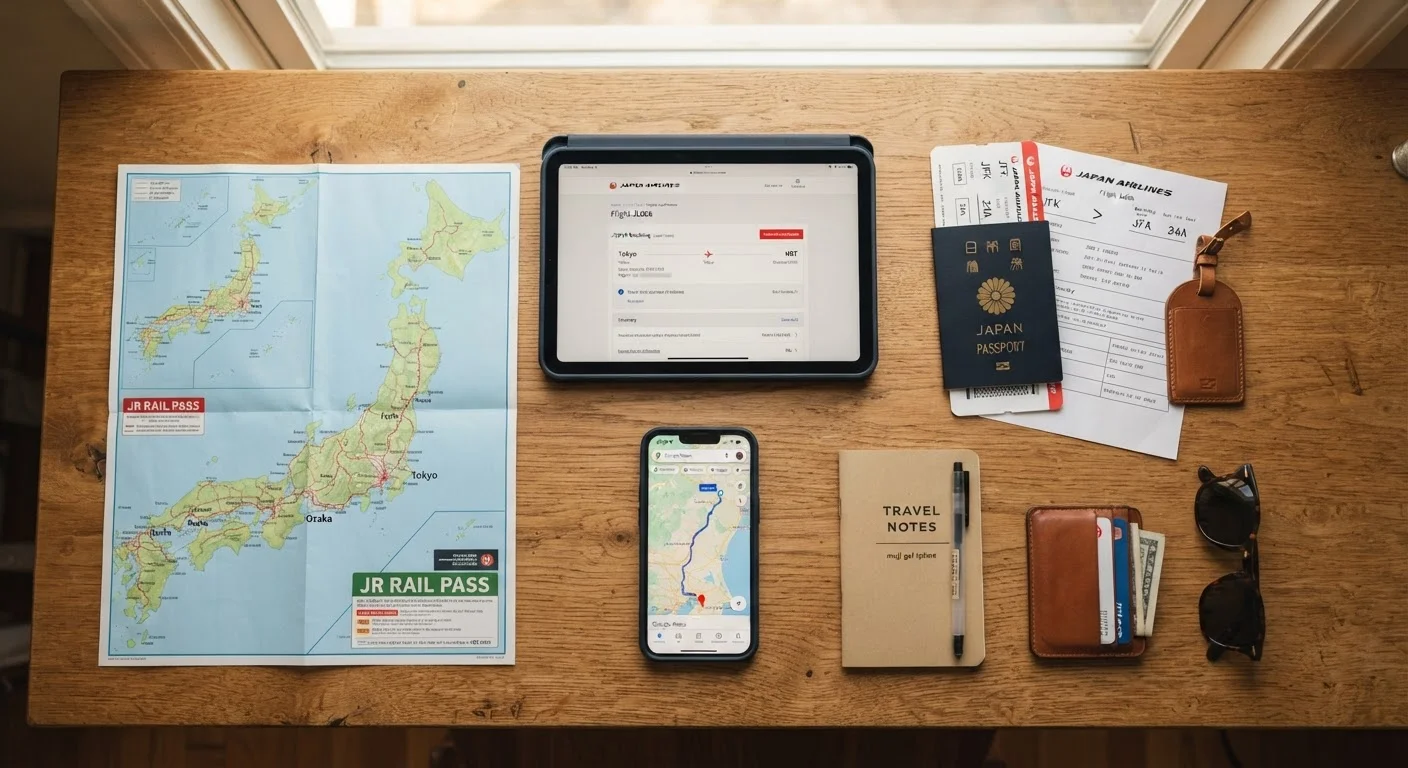
Itinerary apps can pull together flight details, hotel bookings, and activity reservations into a single view, reducing the risk of missing a confirmation buried in email.
Real-time updates on delays and changes
Flight tracking apps notify travelers of gate changes, delays, or cancellations faster than airport boards, giving more time to adjust plans.
Simplifies group coordination significantly
Shared documents and apps give every traveler in a group identical, up-to-date information, cutting down on miscommunication about timing and meeting points.
Offline maps reduce navigation dependency
Downloading maps for offline use before departure means navigation remains functional in areas with poor or no cellular coverage.
Translation and currency tools ease international travel
Real-time translation apps and currency converters reduce the cognitive load of unfamiliar languages and pricing, though they work best with a data connection.
Connectivity failures leave travelers without access
Apps and cloud documents that haven't been saved offline become inaccessible in areas with poor cell service or international roaming restrictions - precisely the moments when you need them most.
Battery dependency creates single points of failure
A dead phone or tablet can eliminate access to your entire itinerary, boarding passes, and navigation at once. Without a backup plan, this can cause cascading problems.
Over-scheduling undermines flexibility
Digital tools make it easy to pack an itinerary tightly, which can reduce the spontaneity that makes travel enjoyable and leave no buffer for delays or discoveries.
Privacy and data security risks on public networks
Accessing accounts or personal documents over unsecured public Wi-Fi exposes travelers to potential data interception, a risk that increases abroad where network standards vary.
Technology cannot replace local, real-time judgment
Apps reflect data as of their last update; local conditions, road closures, temporary closures, or safety situations may not appear in any digital tool until well after they matter.
Our Verdict
Digital tools genuinely improve trip organization when used as one layer of a broader planning strategy, not as the sole method. They streamline itinerary management and real-time communication but introduce meaningful risks if travelers depend on them exclusively. The most resilient approach combines the efficiency of apps and shared documents with printed backups and at least a basic offline contingency plan.
Travelers who benefit most from digital planning tools are those coordinating complex, multi-stop itineraries or group trips where shared access to a single document or app reduces confusion and miscommunication.
What Digital Trip Planning Actually Covers
The phrase "trip planning technology" spans a wide range: dedicated travel itinerary apps, shared cloud documents, navigation platforms, translation tools, currency converters, and digital copies of confirmations and travel documents. Together, these tools can handle tasks that once required binders of printed paper, hours of phone calls, and a lot of guesswork.
For everyday American travelers, the practical starting point is usually a combination of a shared document (like a Google Doc) for the overall itinerary and a few focused apps for navigation, translation, and flight tracking. Understanding both the strengths and limits of these tools helps you build a plan that holds up when conditions change. See our guide to building a realistic itinerary for a framework on structuring your trip before you start layering in apps.
The Real Advantages of Using Technology
When used thoughtfully, digital tools offer concrete benefits that are hard to replicate with paper and phone calls alone.
Centralizes all confirmations in one place
Itinerary apps can pull together flight details, hotel bookings, and activity reservations into a single view, reducing the risk of missing a confirmation buried in email.
Real-time updates on delays and changes
Flight tracking apps notify travelers of gate changes, delays, or cancellations faster than airport boards, giving more time to adjust plans.
Simplifies group coordination significantly
Shared documents and apps give every traveler in a group identical, up-to-date information, cutting down on miscommunication about timing and meeting points.
Offline maps reduce navigation dependency
Downloading maps for offline use before departure means navigation remains functional in areas with poor or no cellular coverage.
Translation and currency tools ease international travel
Real-time translation apps and currency converters reduce the cognitive load of unfamiliar languages and pricing, though they work best with a data connection.
Group trips in particular benefit from shared digital access. When every traveler can view the same itinerary, check restaurant reservations, or confirm meeting points in real time, coordination friction drops considerably. For more on planning when time is scarce, see planning a trip with limited vacation days.
Where Technology Falls Short
The convenience of digital tools comes with genuine trade-offs that travelers should plan around rather than discover mid-trip.
Connectivity failures leave travelers without access
Apps and cloud documents that haven't been saved offline become inaccessible in areas with poor cell service or international roaming restrictions - precisely the moments when you need them most.
Battery dependency creates single points of failure
A dead phone or tablet can eliminate access to your entire itinerary, boarding passes, and navigation at once. Without a backup plan, this can cause cascading problems.
Over-scheduling undermines flexibility
Digital tools make it easy to pack an itinerary tightly, which can reduce the spontaneity that makes travel enjoyable and leave no buffer for delays or discoveries.
Privacy and data security risks on public networks
Accessing accounts or personal documents over unsecured public Wi-Fi exposes travelers to potential data interception, a risk that increases abroad where network standards vary.
Technology cannot replace local, real-time judgment
Apps reflect data as of their last update; local conditions, road closures, temporary closures, or safety situations may not appear in any digital tool until well after they matter.
Always Verify Entry Requirements Officially
Travel apps and itinerary platforms are not authoritative sources for visa requirements, vaccination rules, or border regulations. These details can change with little notice. Always check the official U.S. Department of State country information pages and the destination country's embassy or consulate website before traveling. Do not rely on app-generated summaries for decisions with legal or health consequences.
The risks compound when traveling internationally, where connectivity is less predictable and stakes around documentation are higher. Domestic and international trip planning differ in important ways, and your digital strategy should reflect those differences.
A Practical Hybrid Approach
The most durable travel planning strategy treats technology as a powerful layer, not the entire foundation. A few practical habits can capture most of the efficiency benefits while reducing exposure to the common failure points.
- Download offline maps before departure so navigation works without a data connection.
- Keep printed copies of your passport, key confirmations, accommodation addresses, and emergency contacts - stored separately from your devices.
- Save itinerary documents for offline access, not just in a browser tab that requires connectivity to load.
- Use a dedicated folder or app to consolidate all booking confirmations so nothing is buried in email threads.
- Agree on a non-digital fallback when traveling with a group - a meeting point and time if phones separate or die.
85%
U.S. travelers who use smartphones to plan trips
According to research from the Pew Research Center, the vast majority of American adults use smartphones for logistical tasks including travel planning and navigation.
1 in 3
Travelers who have experienced app or connectivity failure mid-trip
Consumer surveys on travel disruption consistently find that technology failures - from dead batteries to lack of signal - are among the most commonly reported trip complications.
Managing travel money is another area where apps help but have limits. Tools that track spending in multiple currencies can be useful, but they depend on consistent data entry and connectivity. Our travel money tips hub covers broader strategies for budgeting and managing funds on the road. For a broader look at the trade-offs between app-based and manual tracking, the comparison of manual vs. app-based expense tracking is worth reviewing before you travel.