

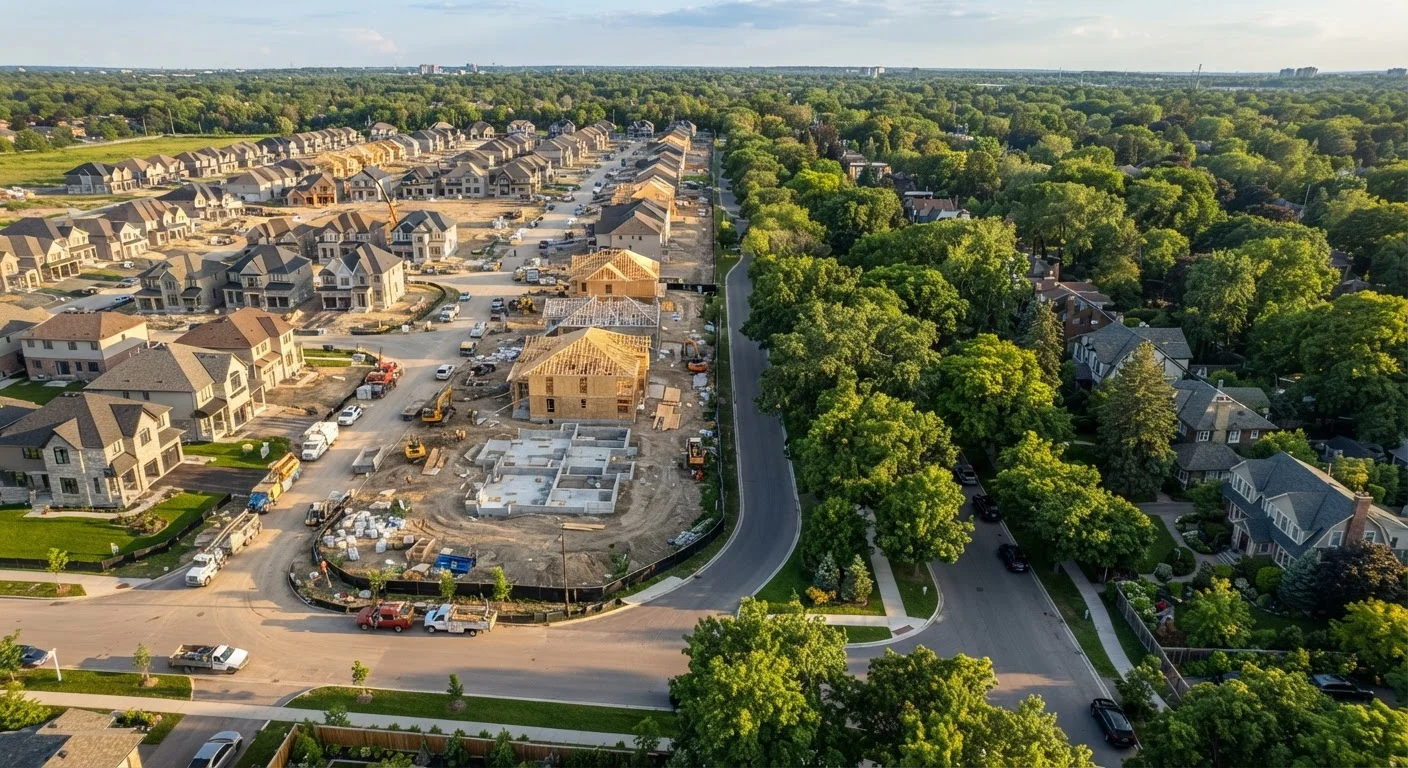
Key Takeaways
Modern systems and energy-efficient construction
New homes are built to current energy codes, often featuring better insulation, high-efficiency HVAC, and low-E windows - reducing utility costs compared to older stock.
Minimal immediate maintenance or repair costs
Everything is new, under warranty, and functioning at day one. Buyers are less likely to face expensive system failures in the early years of ownership.
Ability to customize finishes and layout
Buyers purchasing to-be-built homes can often select flooring, cabinets, countertops, and sometimes floor plan options to match their preferences.
Builder warranties provide financial protection
Most new construction homes carry structural warranties of 10 years and shorter coverage on systems and workmanship, offering recourse that resale purchases don't provide.
Potential builder incentives offset upfront costs
Builders may offer interest rate buydowns, closing cost contributions, or upgrade credits - particularly in slower sales environments - that can improve affordability.
Higher purchase price per square foot
New construction typically commands a price premium over comparable resale homes in the same area, reflecting the cost of current materials, labor, and builder margins.
Longer and less predictable timelines
To-be-built homes can take six to eighteen months to complete, and construction delays due to permitting, weather, or supply chain issues are common.
Location often on the suburban fringe
New subdivisions are frequently built where land is available and affordable - which may mean longer commutes, fewer walkable amenities, and less established community character.
Hidden costs not included in base price
Landscaping, window treatments, finished outdoor spaces, and some appliances are often excluded from the builder's advertised price and must be budgeted separately.
Less room to negotiate on price
Builders typically hold firmer on list prices than private sellers, especially for spec homes, limiting a buyer's ability to negotiate discounts the way they might in a resale transaction.
Our Verdict
Neither new construction nor an existing home is universally the better choice. New builds suit buyers who want modern features, energy efficiency, and minimal early maintenance - and who can absorb a premium price and longer wait. Existing homes offer more location variety, established communities, and greater room to negotiate. The right answer depends on your financial position, timeline, and what you value most in a home.
New construction is best for buyers with flexible timelines who prioritize modern systems and customization; existing homes are better suited to buyers seeking specific locations, faster closings, or more negotiating leverage.
Setting the Stage: Two Very Different Purchases
When buyers enter the housing market, the choice between a newly built home and an existing resale property shapes nearly every dimension of the experience - from the offer process to move-in day to long-term maintenance costs. These are not interchangeable paths with minor cosmetic differences. They involve distinct timelines, contract structures, risk profiles, and lifestyle trade-offs.
Before deciding, it helps to understand how each option actually works. With new construction, you typically work directly with a builder - either purchasing a spec home (already built or nearly complete) or a to-be-built home on a lot. With resale, you negotiate with a private seller through the traditional offer-counteroffer process. The market context matters here too. Understanding current market conditions can help you assess how much leverage you actually have in either scenario.
The Case for New Construction
New homes come with real advantages that go beyond the appeal of fresh paint and unused appliances.
Modern systems and energy-efficient construction
New homes are built to current energy codes, often featuring better insulation, high-efficiency HVAC, and low-E windows - reducing utility costs compared to older stock.
Minimal immediate maintenance or repair costs
Everything is new, under warranty, and functioning at day one. Buyers are less likely to face expensive system failures in the early years of ownership.
Ability to customize finishes and layout
Buyers purchasing to-be-built homes can often select flooring, cabinets, countertops, and sometimes floor plan options to match their preferences.
Builder warranties provide financial protection
Most new construction homes carry structural warranties of 10 years and shorter coverage on systems and workmanship, offering recourse that resale purchases don't provide.
Potential builder incentives offset upfront costs
Builders may offer interest rate buydowns, closing cost contributions, or upgrade credits - particularly in slower sales environments - that can improve affordability.
Energy codes have tightened significantly over the past decade, meaning new construction homes are generally better insulated and more efficient than older stock. Builders often offer incentives - rate buydowns, closing cost credits, or free upgrades - particularly when demand softens. However, buyers should scrutinize these offers carefully; some incentives are contingent on using the builder's preferred lender, which may not offer the most competitive terms overall.
Customization is another genuine benefit for to-be-built purchases. Choosing finishes, layouts, and features to match your lifestyle is difficult to replicate when buying resale. That said, not all builders offer equal flexibility, and mid-construction changes can add significant cost.
Builder Contracts Differ From Standard Purchase Agreements
New construction contracts are typically written by the builder's legal team and favor the builder in key areas - including what happens if construction is delayed or if you need to exit the contract. Before signing, have a real estate attorney or buyer's agent review the agreement. Unlike resale transactions, many builder contracts limit your ability to negotiate terms or add contingencies.
The Case for Existing Homes
Resale homes dominate the available inventory in most U.S. markets, and for many buyers, they remain the more practical - and sometimes more financially sound - option.
Higher purchase price per square foot
New construction typically commands a price premium over comparable resale homes in the same area, reflecting the cost of current materials, labor, and builder margins.
Longer and less predictable timelines
To-be-built homes can take six to eighteen months to complete, and construction delays due to permitting, weather, or supply chain issues are common.
Location often on the suburban fringe
New subdivisions are frequently built where land is available and affordable - which may mean longer commutes, fewer walkable amenities, and less established community character.
Hidden costs not included in base price
Landscaping, window treatments, finished outdoor spaces, and some appliances are often excluded from the builder's advertised price and must be budgeted separately.
Less room to negotiate on price
Builders typically hold firmer on list prices than private sellers, especially for spec homes, limiting a buyer's ability to negotiate discounts the way they might in a resale transaction.
Location is often where existing homes win decisively. Established neighborhoods come with mature trees, known school district performance, walkability, and proximity to amenities that newer subdivisions on the urban fringe frequently lack. If a specific zip code or school boundary matters to your family, your choices in new construction may be limited or nonexistent.
Resale buyers also benefit from a more familiar transaction process. You can negotiate directly on price, request repairs after inspection, and close in as little as 30 to 45 days. For buyers who need to move by a set date - a job start, a lease end - the predictability of a resale timeline is difficult to match with new construction, where delays are common.
It's worth noting that older homes sometimes carry hidden costs. Deferred maintenance, aging HVAC systems, outdated electrical panels, or roofing near end-of-life can turn a seemingly competitive purchase price into an expensive first year. A thorough home inspection is essential, and budget-minded buyers should factor potential renovation costs into their offer math. For guidance on what upgrades actually pay off, see which home improvement projects tend to add resale value.
Key Financial Considerations
Price per square foot on new construction often runs higher than comparable resale in the same metro area, though this varies widely by region and builder. Beyond the purchase price, new construction buyers should budget for items that builders frequently exclude: window coverings, landscaping, finished basements, fencing, and appliances not included in the base package.
~15%
New construction price premium over resale
According to National Association of Realtors data, new construction homes have historically sold at a meaningful premium over existing homes in comparable markets, though the gap fluctuates with conditions.
6-18 months
Typical new construction build timeline
Industry estimates from the U.S. Census Bureau's Survey of Construction show completion times for single-family homes vary widely by region and builder capacity.
On the resale side, buyers may encounter bidding wars in competitive markets that push final prices well above list. The conventional wisdom that resale homes are always cheaper does not always hold in low-inventory environments. Evaluating whether buying makes sense at all in your market is a necessary first step regardless of which path you pursue.
Financing also differs. Some lenders treat new construction loans differently than standard purchase mortgages, and builder-affiliated lenders may not offer the most competitive rates. Independent mortgage shopping remains important in either transaction.
This article is for general informational and educational purposes only and does not constitute financial, legal, or real estate advice. Consult a licensed real estate professional, financial adviser, or attorney before making homebuying decisions.