

Home & Garden

Fall Home Prep: What to Do Before the First Freeze Arrives

Share
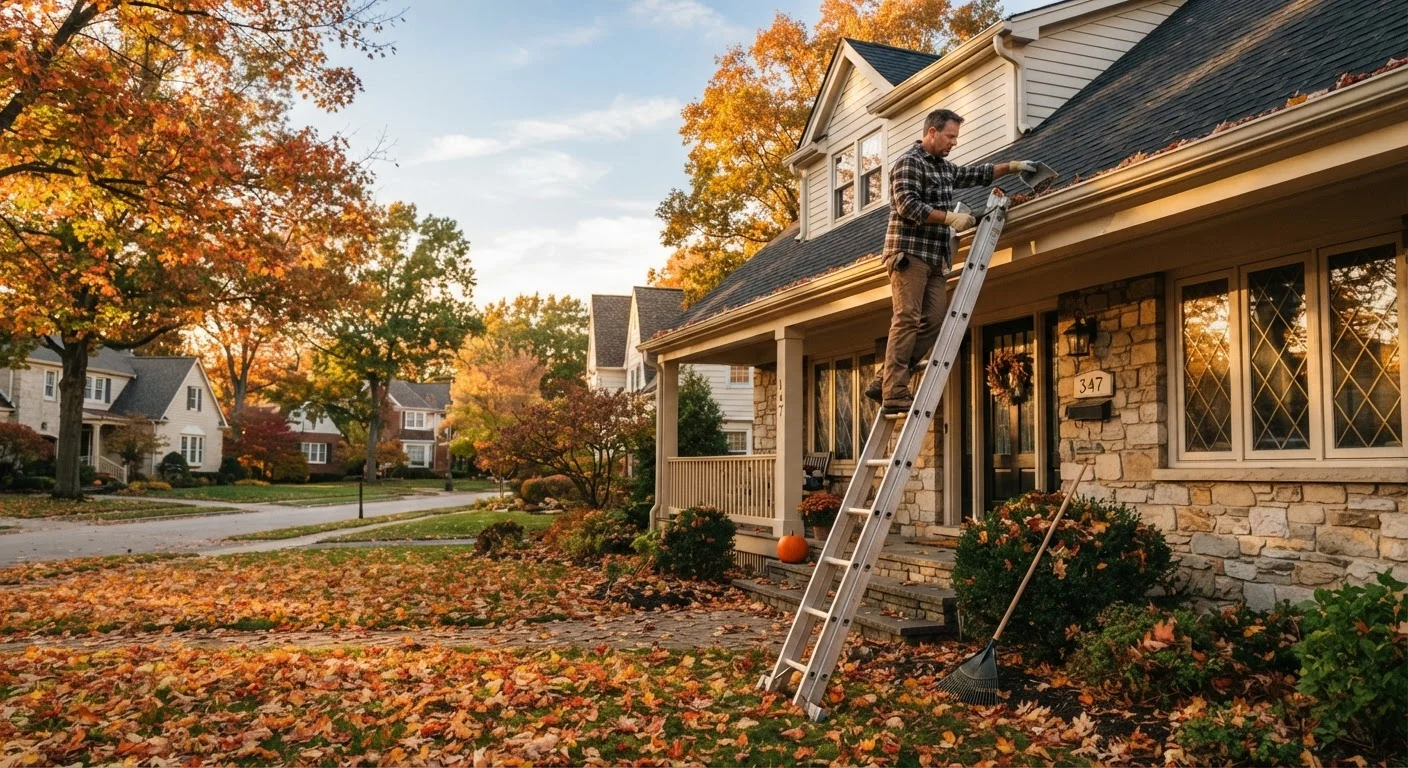
Homeowner on a ladder inspecting gutters on a house surrounded by fallen autumn leaves

Key Takeaways

Gutter cleaning and roof inspection are the two tasks that prevent the costliest winter damage.
Sealing air leaks around windows and doors is one of the most cost-effective weatherproofing steps.
Heating systems should be serviced before they're needed most — not during peak season.
Outdoor plumbing and irrigation must be winterized before the first freeze to avoid burst pipes.
Outdoor power equipment and garden tools deserve end-of-season care to remain reliable next spring.
90–180 min

Summary

22 items · 1.5–3 hours (spread across a weekend)

Why Fall Is the Critical Window

Once nighttime temperatures begin dropping into the low 40s°F, the countdown to your first hard freeze is on. That narrow fall window — typically six to eight weeks depending on your region — is when experienced homeowners shift into maintenance mode. Tasks left undone now can become expensive emergencies in January: a missed gutter clog becomes an ice dam; an unchecked furnace filter becomes a heating failure; an uninsulated outdoor faucet becomes a burst pipe.

This checklist organizes fall prep into logical categories so you can work through the home systematically. Pair it with fall garden prep tasks that address beds, bulbs, and outdoor tool storage — together, they cover the full property. If you're wondering what to compare this effort against, take a look at winter home readiness tasks, which picks up where fall prep leaves off once temperatures bottom out.

Required

Extension ladder

Needed to safely reach gutters, downspouts, and low roof sections for inspection and cleaning.

Required

Gutter scoop or garden trowel

Makes removing compacted leaf debris from gutters faster and less messy than using your hands.

Required

Garden hose with spray nozzle

Used to flush gutters and downspouts after clearing debris, confirming clear drainage.

Required

Exterior silicone or paintable acrylic caulk

Seals gaps and cracks around window and door frames to block drafts and moisture intrusion.

Required

Foam pipe insulation wrap

Protects exposed pipes in unheated areas from freezing temperatures.

Required

HVAC filter (correct size for your unit)

A fresh filter improves heating efficiency and air quality at the start of the heating season.

Optional

Weatherstripping tape or door sweep

Replaces worn seals around exterior doors to eliminate drafts and improve thermal efficiency.

Optional

Carbon monoxide detector (replacement)

CO detectors have a limited lifespan — fall is a good time to replace units that are more than five years old.

Working Through the Checklist

The items below are grouped by system or area of the home. Work zone by zone rather than room by room — it's more efficient and less likely to leave something overlooked. Prioritize must items first; circle back to should and nice-to-have items if time and budget allow.

Roof & Gutters

Clear gutters and downspouts of leaves, debris, and sediment so water can drain freely before freezing temperatures arrive. Must
Inspect the roof from the ground using binoculars — look for missing, curled, or cracked shingles and any visible gaps around flashing. Must
Check that downspout extensions direct water at least 4–6 feet away from the foundation to prevent ice buildup near the house. Should
Install gutter guards if recurring clog problems have been an issue in past seasons. Nice to have

Heating System

Replace the furnace filter and schedule a professional HVAC tune-up before peak heating season demand makes appointments scarce. Must
Test the thermostat by switching the system to heat mode and confirming warm air flows within a few minutes. Must
Bleed radiators if you have a hot-water heating system — trapped air prevents even heat distribution. Should
Check that baseboard heaters and vents are unobstructed by furniture or rugs. Should

Windows, Doors & Air Sealing

Inspect weatherstripping around all exterior doors — replace any sections that are cracked, compressed, or no longer creating a seal. Must
Apply fresh caulk around window frames, pipe penetrations, and any gaps where exterior walls meet trim. Must
Install or reinstall storm windows if your home uses them to provide an extra insulating layer. Should
Use a lit incense stick or thin piece of tissue near window edges on a windy day to locate drafts that visual inspection misses. Nice to have

Outdoor Plumbing & Irrigation

Shut off and drain outdoor hose bibs (spigots) using the indoor shutoff valve, then disconnect and store garden hoses. Must
Blow out and winterize in-ground irrigation systems before the ground freezes — this typically requires professional compressed-air equipment. Must
Insulate any exposed pipes in unheated areas like crawl spaces, garages, or rim joists using foam pipe wrap. Should

Chimney & Fireplace

Have the chimney inspected and cleaned by a certified chimney sweep if you use a wood-burning fireplace or stove regularly. Must
Test the damper to confirm it opens, closes, and seals properly before lighting the first fire of the season. Must
Stock seasoned firewood (dried at least six months) away from the home's exterior to reduce pest entry risk. Should

Safety Devices & Exterior

Test smoke detectors and carbon monoxide detectors, and replace batteries in any device that hasn't been updated in the past year. Must
Inspect exterior walkways, steps, and handrails for cracks or instability that icy conditions will make more hazardous. Should
Store or cover outdoor furniture, grills, and decorative pots to protect them from freeze-thaw damage. Should
Confirm outdoor lighting is working — shorter days mean more reliance on it for safety. Nice to have

Don't Skip Licensed Work on Gas and Electrical Systems

Tasks involving gas furnaces, gas fireplaces, or any electrical panel work should be performed by a licensed professional — not attempted as DIY projects. In most U.S. jurisdictions, unpermitted gas or electrical work can void homeowner's insurance coverage and create significant safety hazards. When in doubt, call a licensed contractor and ask whether a permit is required for the work being done.

When you've finished, it's worth doing a quick mental comparison against summer: summer heat maintenance checks stress different systems — HVAC cooling, roofing, and exterior surfaces — so fall is the natural moment to confirm those items held up well before winter arrives. And next spring, a post-winter walkthrough will help you spot any damage that cold months left behind.

Home & Garden Editorial Team is the collective byline for our editorial team and contributor network. Articles published under this byline or an editorial pen name are researched, written, and reviewed according to our editorial standards for clarity, consistency, and independence before publication.

View all articles by Home & Garden Editorial Team →
Disclaimer: The content on this site is provided for informational purposes only and should not be considered a substitute for professional advice. While we strive to provide accurate and up-to-date information, we make no guarantees regarding its completeness or accuracy. Always consult a qualified professional for advice specific to your circumstances before making any decisions.