

Home & Garden

Before You Hire a General Contractor: Questions Worth Asking

Share
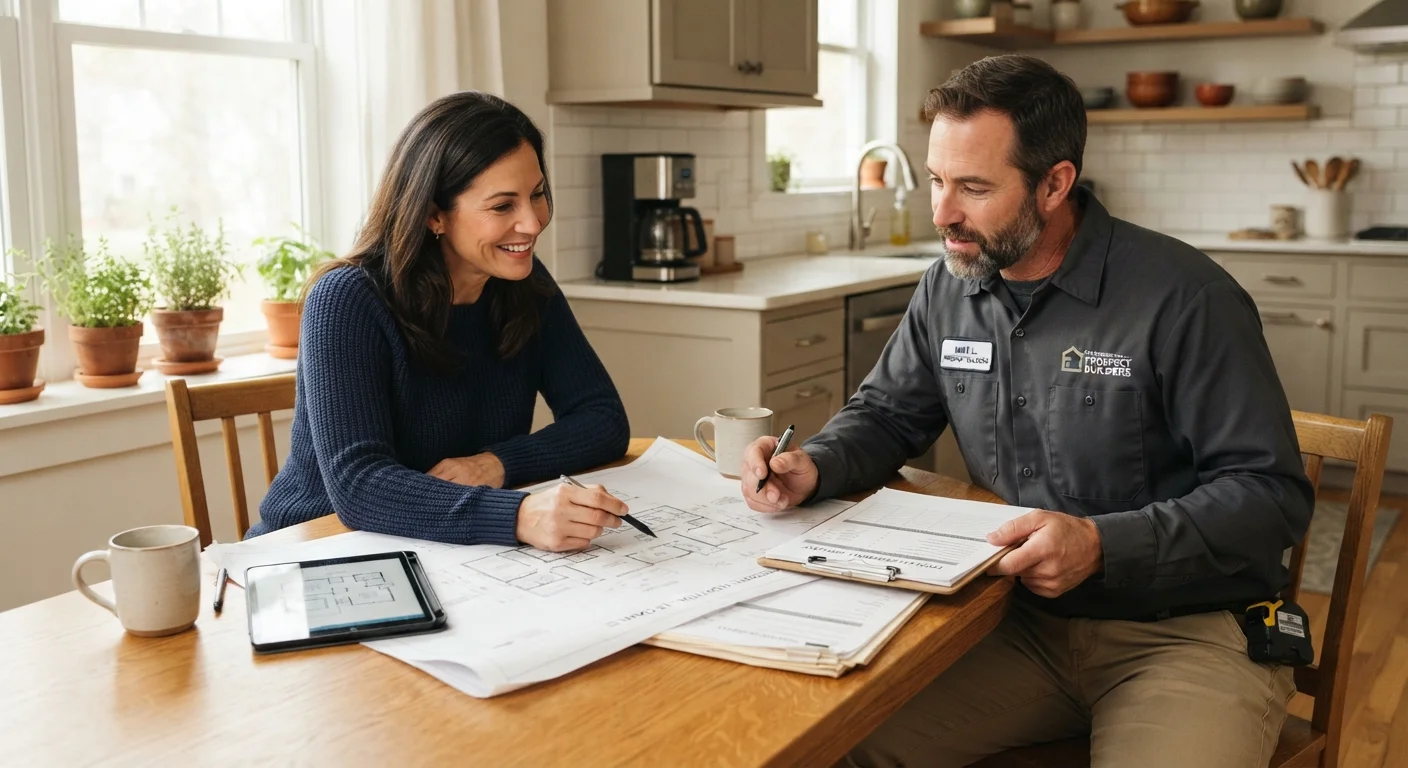
Homeowner and contractor reviewing project documents and blueprints at a kitchen table

Key Takeaways

Always verify a contractor's license and insurance before any work begins.
Get a clear, written breakdown of how and when payments are expected.
Understand which parts of the project will be handled by subcontractors.
Confirm who is responsible for pulling permits and meeting local code requirements.
A written contract protects both you and the contractor — never rely on verbal agreements.
30–60 min

Summary

22 items · 30–60 minutes

Why These Questions Matter Before You Sign

Hiring a general contractor is one of the largest financial decisions a homeowner can make. Whether you're planning a kitchen remodel, an addition, or a full basement finish, the contractor you choose will manage your home, your money, and a team of workers for weeks or months at a time. Getting that relationship right starts before any contract is signed.

The questions in this checklist aren't about being difficult — they're about being informed. A reputable contractor will expect them and answer them without hesitation. If a contractor is evasive or discourages you from asking, that's useful information in itself.

Before diving into the checklist, it's worth thinking through whether your project even needs a general contractor. Our guide to deciding between DIY and hiring out can help you make that call first.

Licensing & Credentials

Ask for the contractor's state license number and verify it through your state's licensing board website. Must
Confirm the license type covers the specific scope of your project (general contracting, specialty trades, etc.). Must
Check whether the contractor has any disciplinary actions, complaints, or license suspensions on record. Must
Ask how long the contractor has been operating under their current business name. Should

Insurance Verification

Request a certificate of general liability insurance and confirm the policy is current and adequately valued for your project size. Must
Verify the contractor carries workers' compensation insurance covering all employees on your property. Must
Ask whether their insurance also covers subcontractors they bring in, or whether subs carry their own policies. Must

Subcontractors & Crew

Ask which portions of the project will be handled by subcontractors rather than the contractor's own employees. Must
Find out how the contractor selects and vets their subcontractors. Should
Clarify who your main point of contact will be throughout the project — the general contractor or a site supervisor. Should
Ask whether the same crew will be on-site consistently or if that varies week to week. Nice to have

Permits & Code Compliance

Confirm in writing who is responsible for identifying, applying for, and managing any required permits. Must
Ask how the contractor handles inspections and what happens if work fails an inspection. Must
Verify that all work will be completed to current local building codes. Must

Payment Structure

Request a written payment schedule tied to project milestones rather than calendar dates alone. Must
Be cautious of any contractor who requires more than 10–15% of the total project cost as an upfront deposit — this threshold varies by state, so check your local rules. Must
Clarify what payment methods are accepted and get receipts for every payment made. Should

References & Past Work

Ask for at least three references from completed projects similar in scope to yours, and actually contact them. Must
Request to see photos or, if possible, visit a recently completed job site. Should
Ask references specifically about how the contractor handled unexpected problems or delays. Should

Contract & Documentation

Ensure the written contract includes scope of work, materials, timeline, payment schedule, and change-order procedures. Must
Ask how change orders are documented and priced if the project scope shifts mid-build. Must

How to Use This Checklist

Work through these questions during your initial contractor interviews — ideally before you've requested formal bids. Bring a printed copy to each meeting and take notes on each contractor's responses so you can compare them fairly afterward.

Once you have bids in hand, you'll want to understand what you're actually looking at. Our guide to reading a contractor estimate walks through line items, allowances, and exclusions so nothing catches you off guard.

Never Pay in Full Before Work is Complete

Releasing full payment before a project is finished removes your main source of leverage if problems arise. Structure payments around verified milestones — such as framing completion or rough inspections passing — and hold a meaningful portion until final walkthrough and punch-list items are resolved. If a contractor insists on full payment upfront, treat that as a serious red flag.

Also keep in mind that many renovation projects require permits — and it matters who pulls them. Our article on when permits are required explains what's typically needed and why skipping them can cost you later, especially at resale.

Required

State Contractor Licensing Board

Verify a contractor's current license status, license type, and any disciplinary history specific to your state.

Required

Certificate of Insurance (COI)

A document from the contractor's insurer confirming active liability and workers' compensation coverage.

Optional

Written Contract Template or Attorney Review

Provides a legally grounded framework for the project agreement; an attorney can flag terms that need revision.

Optional

Project Notebook or Dedicated Folder

Keeps all bids, contracts, permits, change orders, receipts, and correspondence organized in one place.

This article provides general educational information for homeowners and is not legal or financial advice. Requirements for licensing, permits, and contracts vary by state and municipality. Always verify local rules and consult qualified professionals for decisions specific to your project and circumstances.

Home & Garden Editorial Team is the collective byline for our editorial team and contributor network. Articles published under this byline or an editorial pen name are researched, written, and reviewed according to our editorial standards for clarity, consistency, and independence before publication.

View all articles by Home & Garden Editorial Team →
Disclaimer: The content on this site is provided for informational purposes only and should not be considered a substitute for professional advice. While we strive to provide accurate and up-to-date information, we make no guarantees regarding its completeness or accuracy. Always consult a qualified professional for advice specific to your circumstances before making any decisions.