

Key Takeaways
Why 100,000 Miles Is a Turning Point
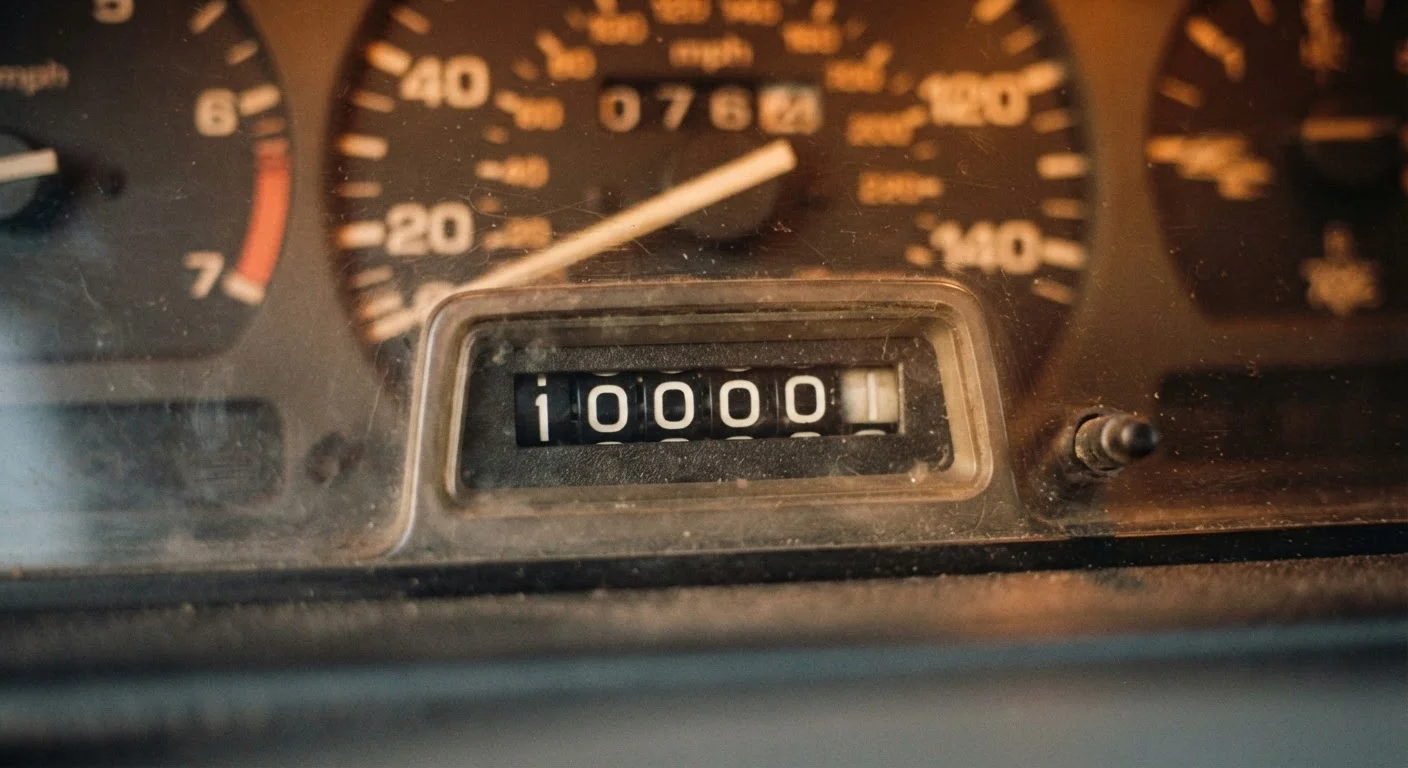
Reaching six figures on the odometer used to signal the end of a car's useful life. That's no longer true - modern vehicles are engineered to go significantly further, and many do. But 100,000 miles does represent a genuine shift in what your car needs from you.
Up to this point, your maintenance routine was largely about preserving components that were still close to factory condition. After 100,000 miles, many of those components have experienced years of heat cycles, friction, and chemical breakdown. The maintenance strategy that worked in the first decade needs to evolve. Think of it less as alarm and more as calibration - the goal is the same, but the intervals and focus areas change.
For a broader perspective on how aging affects complex systems, our guide on maintaining an older home draws useful parallels about proactive upkeep.
The Components That Demand Closer Attention
Not every part ages at the same rate, and knowing where to focus your attention makes high-mileage ownership far less daunting.
Switch to a high-mileage motor oil formulation and shorten your inspection intervals.
Engine seals and gaskets harden and shrink with age, making small leaks more common. High-mileage oil formulations typically contain seal-conditioning additives designed to address this. Shorter inspection intervals - even if not shorter oil changes - let you catch developing leaks before they become engine damage.
Replace the timing belt (or have the timing chain inspected) if it hasn't been done.
Timing belts on interference engines have a finite service life - commonly 60,000 to 105,000 miles - and a snapped belt can cause catastrophic engine damage. If you're past 100,000 miles and don't have records of a timing belt replacement, this is urgent. Timing chains last longer but should still be inspected for stretch or wear.
Flush and replace coolant, brake fluid, and transmission fluid on schedule.
These fluids degrade chemically over time regardless of mileage. Old coolant becomes acidic and can corrode your radiator and water pump from the inside. Degraded brake fluid absorbs moisture and raises your stopping distance. Transmission fluid that's overdue causes heat buildup and accelerated wear.
Inspect and replace rubber hoses, belts, and weatherstripping proactively.
Rubber degrades with age and heat cycles. Coolant hoses, serpentine belts, and vacuum lines become brittle and crack - often without obvious visible warning. A burst coolant hose can leave you stranded or cause overheating damage within minutes. Proactive replacement is far cheaper than roadside repairs.
Have the suspension and steering components checked at every oil change.
Ball joints, tie rod ends, wheel bearings, and CV axle boots accumulate wear that affects both handling and safety. These components don't fail suddenly in most cases - they degrade gradually, and early detection prevents dangerous failures and expensive secondary damage.
Don't ignore the cooling system - inspect the water pump and thermostat.
The water pump is often replaced alongside the timing belt, but if yours wasn't, it deserves attention past 100,000 miles. A failing water pump leads to overheating, which is one of the fastest ways to cause serious engine damage. Thermostats are inexpensive and are worth replacing if the engine is running hotter or cooler than normal.
For more on components with shorter-than-expected service windows, see our article on parts that wear out faster than most drivers expect.
Shifting Your Maintenance Mindset
The single most effective change a high-mileage car owner can make is moving from reactive to preventive maintenance. Waiting for something to break - a strategy many drivers default to - becomes progressively more expensive and risky as a vehicle ages.
It's also worth revisiting your owner's manual. Many drivers follow general maintenance advice rather than the specific intervals their manufacturer recommends. After 100,000 miles, those manufacturer guidelines become even more important as a baseline. Our overview on the long-term case for routine maintenance explains the financial logic in detail.
Common misconceptions can also lead owners to over-maintain in some areas while neglecting critical ones. Maintenance myths that cost drivers money is worth reading alongside this guide.
Owning a high-mileage vehicle successfully is ultimately about consistency and attention - two things any driver can control. The Buying & Ownership hub has additional guidance for getting the most value from your vehicle over the long term.