

Key Takeaways
Start here
Why a Travel Budget Matters Before You Book
Next
The Five Core Cost Categories
Then
Estimating Each Category Realistically
Almost there
Building In a Buffer
Final step
Tracking Spending During the Trip
Why a Travel Budget Matters Before You Book
Most travel stress isn't caused by flights being delayed or hotels being smaller than expected - it's caused by money running out before the trip is over. A travel budget built before you make any bookings gives you a clear ceiling to plan within, a savings target to work toward, and a framework that prevents individual decisions from quietly exceeding what you can actually afford.
This is general financial guidance, not personalized financial advice. What works for your trip depends on your destination, travel style, group size, and overall financial situation - factors only you can fully assess.
If you're new to personal budgets in general, our beginner's guide to personal budgeting covers the core concepts that apply equally well here. Travel budgets follow the same logic: estimate income (your trip fund), categorize spending, and keep totals within limits.
Start With a Round-Number Trip Fund
Before diving into category estimates, decide on the total amount you're willing to spend on the entire trip. This top-down ceiling keeps early enthusiasm from inflating individual categories before you've seen the full picture. You can always refine it once your estimates are built out.
The Five Core Cost Categories
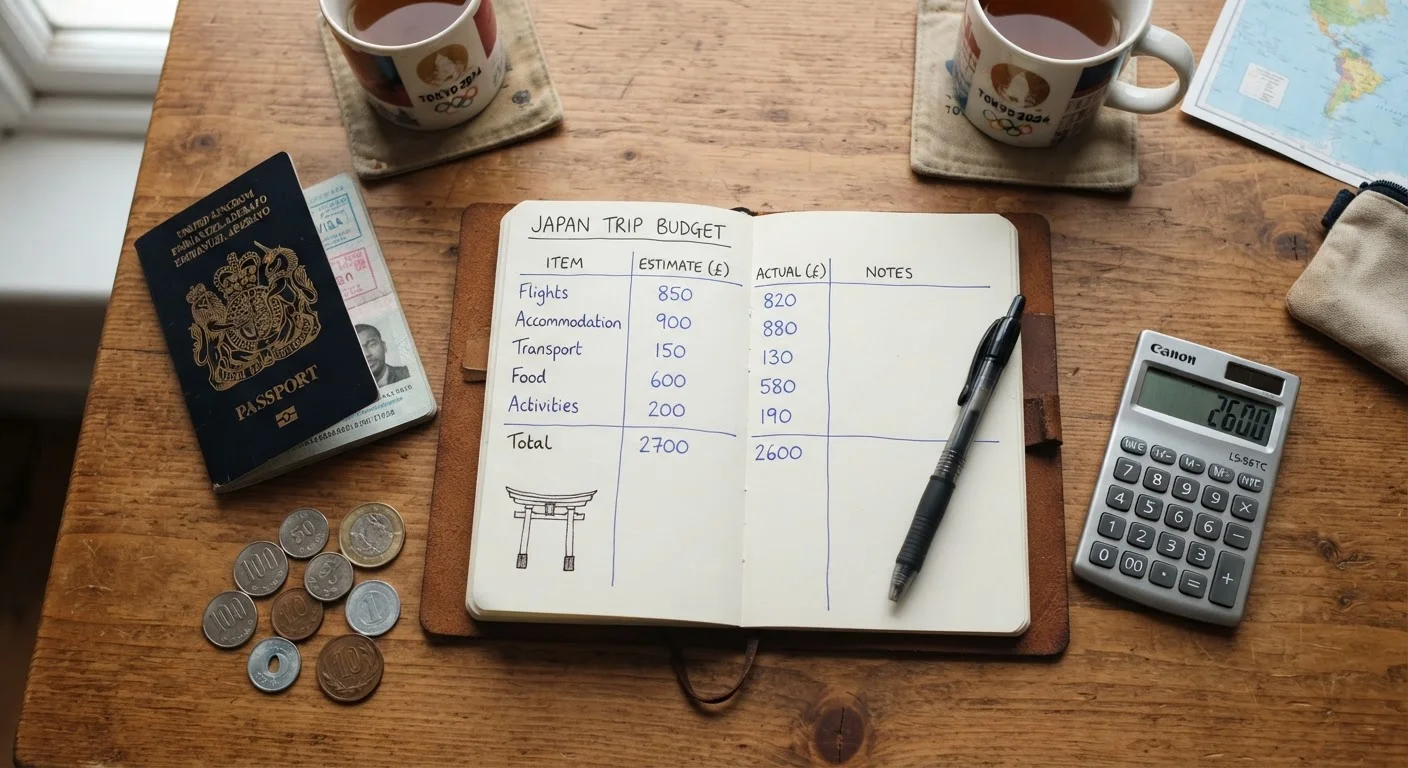
A reliable travel budget organizes costs into distinct buckets rather than treating the trip as one lump number. The five categories below cover nearly every dollar a trip requires:
- Transportation: Flights, trains, rental cars, airport transfers, rideshares, and local transit passes.
- Lodging: Hotels, vacation rentals, hostels, or any accommodation for each night of travel.
- Food and drink: Restaurants, cafés, groceries, and beverages - including tips where customary.
- Activities and entry fees: Tours, museum admissions, excursions, concerts, and any planned experiences.
- Incidentals: Souvenirs, personal care items, pharmacy needs, and small unplanned purchases.
Each category behaves differently. Transportation and lodging are typically large, bookable costs you can lock in early. Food and incidentals are smaller, day-to-day expenses that accumulate invisibly. Separating them from the start makes the overall budget easier to monitor and adjust.
Contingency buffer
An extra amount of money - usually 10-15% of total trip costs - set aside to cover unexpected expenses without going over budget.
Daily travel budget
The average amount you plan to spend per day on the trip, calculated by dividing total non-flight costs by the number of days.
Incidentals
Small, miscellaneous expenses during travel - such as souvenirs, tips, or pharmacy items - that don't fit neatly into larger budget categories.
Resort fee
A mandatory daily charge added by some hotels that covers amenities like Wi-Fi or pool access. It is often not included in the advertised nightly rate.
Exchange rate
The ratio at which one currency converts to another. Exchange rates fluctuate and affect how much your US dollars are actually worth at your destination.
Estimating Each Category Realistically
Vague estimates produce vague results. For each category, research current, destination-specific figures rather than relying on memory or assumptions.
Transportation: Check flight price ranges for your preferred dates across a few search sessions - prices shift frequently, so note a realistic midpoint rather than the lowest fare you ever spotted. Add ground transportation separately; an airport taxi or train can cost $30-$100+ depending on the city.
Lodging: Multiply the nightly rate by the number of nights, then verify whether taxes and fees are included in the displayed price. Resort fees and destination charges are often added at checkout and are easy to miss. Our article on hidden costs that erode travel budgets covers this in detail.
Food: Research typical meal costs for your destination using recent travel forums or official tourism resources. Budget by meal tier - a mix of sit-down restaurants and casual or self-catered options - rather than assuming every meal will be cheap or expensive.
Activities: List the experiences you genuinely want, find their actual admission or tour cost, and add those figures individually. Avoid estimating activities as a single vague line item.
For a deeper look at how destination type shapes daily estimates, see building a realistic daily travel budget by destination type.
Building In a Buffer
Even a carefully built budget will encounter surprises: a delayed flight requiring an extra night, a medical co-pay at a walk-in clinic, or a last-minute activity you didn't anticipate. A contingency buffer - typically 10-15% of your total estimated trip cost - absorbs these without derailing your finances.
Calculate your buffer after totaling all five categories, not as a substitute for researching them. A buffer on top of a poorly estimated base is still a poorly estimated budget.
Don't Skip Travel Insurance in Your Budget
Travel insurance premiums are a real trip cost that many first-time travelers omit from their budgets. Costs vary based on trip length, destination, age, and coverage level. Factor in an estimate early so it doesn't become a surprise line item - or a cost you skip because the budget is already tight. Consult policy documents carefully to understand what is and isn't covered.
Travelers heading abroad should also account for currency exchange and international transaction fees, which can meaningfully affect what you actually spend. Our complete guide to travel money covers the currency and fee side of international travel in full.
Tracking Spending During the Trip
A budget is only useful if you check it. Plan to log expenses at least once daily - right after dinner or before bed works well for most travelers. Record the amount, category, and a brief note on what it was for.
Whether you use a notes app, a spreadsheet downloaded offline, or a dedicated travel expense tracker is less important than the habit of doing it consistently. Couples and groups traveling together should designate one person to consolidate expenses or agree on a shared method in advance. Our guide to budgeting for two offers frameworks that translate naturally to shared travel finances.
Compare your running totals to your category limits every two to three days. If food spending is trending over, you have time to adjust - switching a restaurant dinner to a grocery store meal, for example - rather than discovering the overrun at the end of the trip. Consistent tracking is what turns a pre-trip plan into a tool you can actually use.
For broader guidance on all the financial dimensions of travel - from savings strategies to managing money on arrival - explore the Travel Money Tips hub.