

Key Takeaways
Why the Purchase Price Is Just the Starting Point
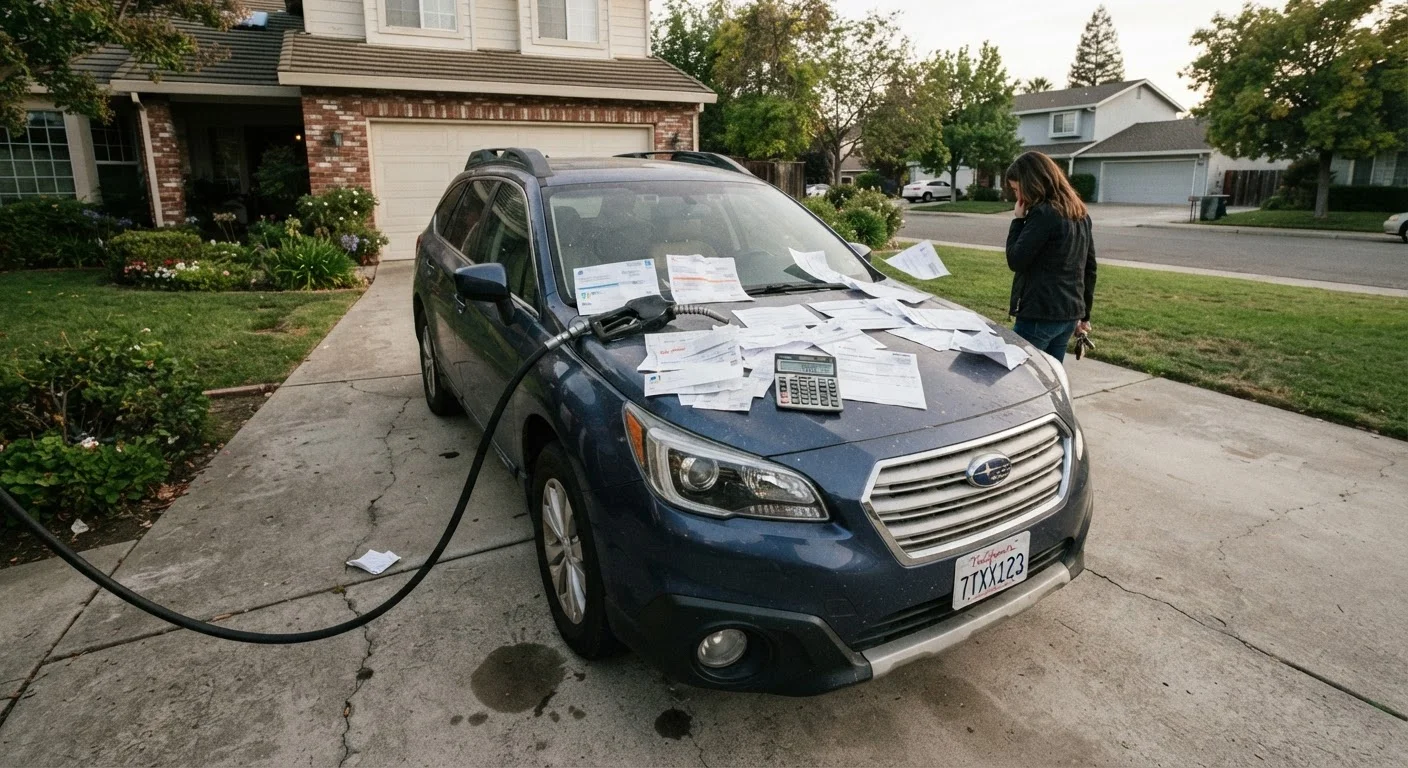
Most car shoppers spend weeks comparing sticker prices, negotiating deals, and weighing monthly payments - then feel the financial pressure arrive steadily after they drive off the lot. The purchase price, whether financed or paid outright, represents only a fraction of what a vehicle will actually cost over time. Understanding the full picture before you commit is one of the most practical moves you can make as a buyer.
If you're exploring how dealer financing compares to your own bank, that's a great first step - but the interest rate on your loan is just one of many recurring costs that shape the true expense of car ownership. Below are the costs that routinely catch buyers off guard.
Depreciation
Depreciation is the single largest cost most owners never see as a line item. A new vehicle can lose a significant portion of its value - often estimated at 15-25% - within the first year alone, and roughly half its original value within five years, though actual rates vary by make, model, and market conditions. When you sell or trade in, that lost value comes directly out of your pocket.
Buyers considering a nearly-new used vehicle often benefit from letting the original owner absorb that steepest early depreciation curve. If you're evaluating a lease instead, understanding how residual value affects your payments is essential - see how leasing numbers actually work before signing.
A new car can shed a quarter of its value in the first year alone.
Auto Insurance Premiums
Insurance is non-negotiable in every U.S. state, but what you'll pay depends on factors including your driving record, location, credit history (in most states), the vehicle's make and model, and the coverage level you select. Premiums for the same driver can differ dramatically depending on the vehicle chosen.
Before purchasing, get at least one insurance quote for the specific vehicle you're considering. A sports car, luxury SUV, or vehicle with high repair costs may carry premiums that significantly alter your monthly budget compared to a more modestly priced sedan. Full coverage - which includes comprehensive and collision - is typically required by lenders if you're financing.
Get an insurance quote before buying - premiums vary sharply by vehicle type.
Fuel Costs
Fuel is an ongoing, unavoidable expense, yet many buyers don't calculate annual fuel costs when comparing vehicles. A truck or SUV that gets 18 mpg will cost noticeably more to fuel than a sedan rated at 32 mpg, especially over tens of thousands of miles annually.
The U.S. Department of Energy's fueleconomy.gov provides EPA fuel economy estimates for most vehicles, along with annual fuel cost comparisons. Factor in your typical annual mileage and local fuel prices to arrive at a realistic yearly figure. If you're considering an electric or hybrid vehicle, account for home charging costs or public charging expenses instead.
Annual fuel costs can differ by hundreds of dollars depending on the vehicle's efficiency rating.
Routine Maintenance
Oil changes, tire rotations, brake inspections, air filter replacements, and fluid top-offs are scheduled, predictable costs - but buyers frequently omit them from their budget. Maintenance intervals and costs vary by vehicle type. Luxury and European models often require synthetic oil or specialized parts that cost more than those for mainstream domestic vehicles.
A reasonable starting estimate for routine maintenance on a typical sedan is several hundred dollars per year, though this climbs with higher-mileage driving or vehicles with more complex systems. Staying current on scheduled maintenance also protects resale value and helps avoid far costlier repairs down the road.
Skipping routine maintenance rarely saves money - it usually creates larger repair bills later.
Unexpected Repairs
Even well-maintained vehicles encounter unplanned repairs - a failed alternator, a worn timing chain, a damaged tire. These costs are inherently unpredictable but statistically certain over the life of a vehicle. The older and higher-mileage the vehicle, the greater the probability of significant repair bills.
A common rule of thumb among financial planners is to set aside a repair reserve - a modest monthly amount held in savings specifically for vehicle repairs. This prevents a single unexpected repair from derailing a monthly budget. Buyers of used vehicles should also budget for a pre-purchase inspection by an independent mechanic before closing the deal.
A repair reserve fund turns an unexpected breakdown into a manageable inconvenience, not a crisis.
Registration, Taxes, and Fees
Annual vehicle registration fees vary substantially by state and are often tied to the vehicle's value, weight, or age. Some states also levy an annual personal property tax on vehicles. First-year costs are typically higher because they include title transfer fees, documentation fees, and in many states, sales tax on the purchase price - which can amount to several thousand dollars depending on the vehicle's value and your location.
These are not optional costs, and they recur annually. Research your state's fee structure and factor them into your first-year and ongoing budget accordingly.
First-year taxes and fees can add thousands to the cost of a vehicle purchase.
Loan Interest
If you're financing your vehicle, the interest paid over the life of the loan is a real cost that belongs in your total ownership calculation. On a $30,000 vehicle financed over 60 months at a moderate interest rate, total interest paid can easily reach several thousand dollars - and longer loan terms, while lowering monthly payments, increase the total interest expense.
The difference between a strong and a weaker credit score can affect your interest rate significantly, making credit health a meaningful financial factor before you visit a dealership. Understanding all financing options before you commit is worth the time - see our breakdown of financing through a dealer vs. your own bank for more context.
Longer loan terms lower monthly payments but increase the total cost of the vehicle.
Parking, Tolls, and Incidentals
For drivers in urban or suburban environments, parking costs can be a genuine monthly expense - garage fees, metered parking, or permit costs add up quickly. Toll roads, bridges, and express lanes are another recurring cost that varies by commute route. Car washes, floor mats, phone mounts, and other accessories also contribute incrementally to total ownership cost.
None of these are large in isolation, but collectively they can add several hundred dollars per year to the real cost of owning and operating a vehicle. Mapping out your typical driving patterns before you buy gives you a clearer estimate of these variable but persistent expenses.
Parking and tolls can quietly add hundreds of dollars annually to total ownership costs.
Building a Realistic Ownership Budget
Adding up these costs before you buy - not after - changes the math considerably. A vehicle that seems affordable at the sticker price may carry substantially higher insurance premiums, fuel costs, or maintenance requirements than a comparable alternative. Running a full-year cost estimate, not just a monthly payment, gives you a more accurate picture of what you're committing to.
Build Your Full-Year Cost Estimate First
Before finalizing any vehicle decision, add up your estimated annual costs across all categories: depreciation, insurance, fuel, maintenance, registration, loan interest, and incidentals. Divide by 12 to see the true monthly cost - not just the loan payment. This single exercise often reshapes which vehicle actually fits your budget.
First-time buyers are especially susceptible to focusing on the excitement of the purchase while underestimating what follows. Our guide on pitfalls that catch first-time car buyers off guard covers several related missteps worth reviewing. For ongoing maintenance planning, the car maintenance hub is a practical resource once you're behind the wheel.
This article is for general informational purposes only and does not constitute financial or legal advice. Consult a qualified financial professional before making significant purchase or financing decisions.